Timeless Basement Secrets
Revitalize Your Property: Vital Details Regarding Home Renovation Work for Each House Owner
Residents commonly search for methods to enhance their residences through home improvement projects. These projects can range from kitchen upgrades to comprehensive home makeovers. Knowing the choices accessible is crucial for choosing intelligently. Additionally, there are tangible aspects such as setting a budget and selecting the professional contractor. As homeowners commence on this journey, they may run into unexpected challenges. The key to a successful transformation lies in careful planning and implementation. What should be done subsequently?
Knowing the Various Categories of House Improvement Projects
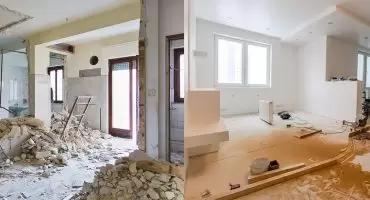
When property owners think about upgrading their homes, they typically find a variety of remodeling services suited to various requirements and preferences. These projects are generally grouped into various categories, all dealing with certain elements of home improvement. Kitchen renovations center on updating appliances, the cabinets, and layouts to improve usability and the look. Bathroom remodeling typically involves upgrading fixtures, tiles, and organizational units for better convenience and design.
Complete residential remodeling includes major alterations across the property, sometimes requiring major structural work to make the most of the space and movement. External improvement work, on the other hand, aim to improve the home's outward appearance, dealing with the cladding, the roof, and the garden design. Furthermore, specific options including converting the cellar and attic conversions enable property owners to utilize fully unused areas. Each type of remodeling service offers unique benefits, enabling homeowners to choose options that fit their desired outcome for their home life. Grasping these differences is essential when deciding intelligently during the renovation process.
Setting a Realistic Budget for Your Home Improvement Work
How do property owners make certain their remodeling projects remain within budget? Establishing a realistic budget is vital. Property owners must start by assessing their monetary resources, like savings and available loan choices. This initial step will help determine the amount that can be set aside for the remodel without jeopardizing other monetary duties.
Next, homeowners must investigate the expenses linked to their planned updates, including materials, labor, and surprise expenses that tend to crop up. Making an exhaustive list of needs will assist in distinguishing essentials from desirable features, making it possible to adjust if funds become limited.
It is smart to incorporate a reserve fund, typically around 10-20% of the total budget, to account for surprise expenditures. Frequently checking and modifying the budget as the updating work progresses can also help maintain financial control. In the end, a carefully structured budget does more than just confirm the project can be done but also enhances the overall remodeling experience for property owners.
Selecting the Appropriate Contractor to Suit Your Project.
Choosing the appropriate professional can greatly impact the success of a remodeling project. Property owners ought to start by performing extensive investigation, seeking recommendations from friends, family, or online reviews. It is crucial to check qualifications, including licenses, insurance, and bonding, to verify their standing.
When prospective builders are located, homeowners should request detailed estimates and timelines, facilitating well-grounded side-by-side evaluations. Meeting with them offers a look at their manner of communicating and their professional conduct, that are key to a cooperative effort.
Additionally, reviewing past projects through portfolios or references demonstrates the professional's skill level. It is wise to question them regarding warranties or safeguards, reflecting the contractor's confidence in their work.
Finally, picking a builder whose approach fits the property owner's ideas, cost plan, and timeframe fosters a more positive remodeling experience, ensuring the work fulfills requirements and transforms the living space effectively.
Structuring and Laying Out Your Ideal Space.
When property owners picture their perfect areas, careful planning and thoughtful design become essential components of a triumphant renovation effort. The beginning stage requires reviewing existing necessities and future desires, which permits a comprehensive grasp of the room's intended function. It is important for homeowners to weigh practicality, visual appeal, and personal style, to guarantee the design showcases their unique preferences.
Next, developing a comprehensive budget is essential. This budget should cover supplies, workforce costs, and contingency funds. Engaging with design professionals can give meaningful advice, aiding in maximizing the area while sticking to budgetary constraints.
Including features such as natural light, open layouts, and eco-friendly supplies can enhance the overall experience. In conclusion, visualizing the project through drawings or computer models can help perfect concepts prior to construction. By thoughtfully tackling the design and planning stage, homeowners can design a welcoming, practical area suited to their way of life.
Dealing with Permits and Building Codes in Residential Projects
Familiarizing oneself with the red tape and requirements can be challenging for homeowners starting on a remodeling project. Every local government sets particular guidelines that determine what is allowed during renovations, typically guided by area restrictions, construction standards, and security requirements. It is essential for homeowners to understand local regulations to prevent expensive penalties or construction hold-ups.
Generally, securing permits is essential for major changes, such as structural changes or electrical work. This process frequently requires submitting blueprints for approval and could involve check-ups at various stages.
Engaging a knowledgeable contractor can make this procedure easier, as they are often familiar with local codes and can help manage the documentation. Homeowners should also keep communication open with the municipal planning office to ensure adherence throughout the project. By understanding and maneuvering through these requirements, homeowners can achieve their remodeling goals and maintaining compliance with the law in their renovations.
Frequently Asked Questions
How Long Does a Typical Home Remodeling Project Take?

The average remodeling job typically spans three to six months on average, contingent upon the extent of the project, scale of the house, and availability of materials. Complex projects may require additional time for completion.
What are the common mistakes you should steer clear of throughout the renovation process?
Frequent errors in the remodeling process include underestimating budgets, ignoring necessary permits, overlooking timelines, poor communication with the construction team, and ignoring long-term functionality. Understanding these dangers often results in a more efficient, more successful remodeling experience.
How should I go about choosing the appropriate materials for my project?
Choosing the right materials means considering durability, aesthetics, and budget. Investigating available choices, talking to specialists, and thinking about upkeep are vital steps in making informed decisions, to guarantee the project fits with personal and functional requirements.
Will I be able to reside in my property during renovations?
Yes, one can live in the house during renovations, but it might cause disruption. Thorough preparation, maintaining open dialogue with your builders, and designating specific areas where you can live normally will reduce the review now inconvenience throughout the project.
What guarantees should I look for from the renovation company?
Homeowners should expect warranties that guarantee the quality of the work, materials, and the integrity of the structure, often covering a period of one to ten years. It is essential to examine specific terms and conditions with contractors to know the full extent of the guarantee and its restrictions.